

Metal plating is crucial to improving performance, extending product lifespans and meeting various industry standards. At American Electro Products, we specialize in a broad array of plating finishes—each formulated to address specific challenges like corrosion, conductivity and wear resistance. Our expert team and advanced facility enable us to deliver consistent, high-quality results for a wide range of applications, from aerospace and automotive to electronics and medical devices.
Why the Right Plating Finish Matters
- Performance & Reliability
- Corrosion Resistance
- Electrical Conductivity
- Cost-Effectiveness
- Regulatory Compliance
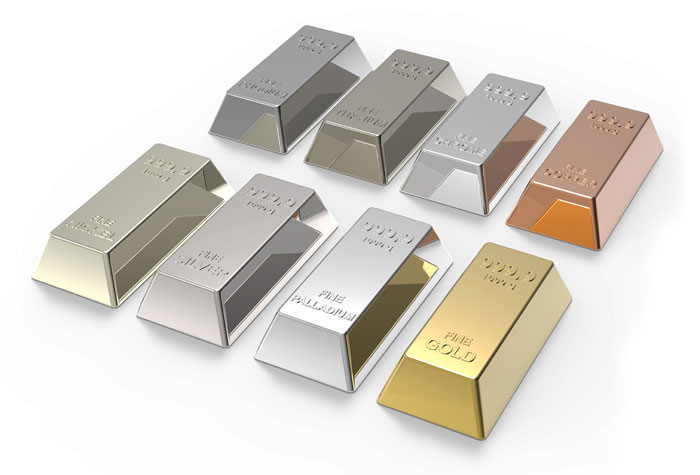
Key Plating Finishes We Offer
Below is an overview of the finishes we frequently apply at AEP. Each plating type offers distinct advantages and is suited for particular applications or performance needs.
Au
Gold
Gold
Most Notable Benefits:
- Exceptional Conductivity for high-speed data transfer and low-voltage connections
- Corrosion & Tarnish Resistance to maintain performance over time
- Solderability & Biocompatibility for sensitive applications in electronics and medical devices
Typical Uses:
Electrical connectors, PCB contacts, semiconductors, medical implants, aerospace components
Ag
Silver
Silver
Key Strengths:
- High Conductivity—even greater than gold in certain applications
- Cost-Effective for projects that require excellent electrical performance but need more economical solutions than gold
- Good Thermal Conductivity for managing heat in electronic systems
Common Applications:
Switches, relays, RF connectors, battery components, high-frequency electronic assemblies
Pd
Palladium
Palladium
Why Choose Palladium:
- Superior Wear Resistance under mechanical stress
- Stable Contact Resistance in electronic connectors
- Corrosion Resistance comparable to some precious metals but at a lower cost than gold
Where It’s Used:
Contact points, connector pins, and switches, especially in environments with significant friction or repetitive mechanical action
Pd-Ni
Palladium-Nickel
Palladium-Nickel
Advantages:
- Enhanced Hardness & Durability versus palladium alone
- Great for High-Frequency Applications, maintaining stable conductivity and minimal signal loss
- Cost Savings compared to plating with 100% precious metals
Typical Use Cases:
Wear-resistant connectors in telecommunications, automotive sensors and critical electronic components
Rh
Rhodium
Rhodium
Unique Properties:
- Excellent Hardness & High Reflectivity, offering both protective and decorative value
- Outstanding Corrosion Resistance in harsh or high-temperature environments
- Tarnish-Free Finish for maintaining a pristine look over time
Common Applications:
Decorative jewelry components, high-luster finishes on electronics, specialized aerospace or medical parts
Sn
Tin
Tin
Key Benefits:
- Solderability for PCB assembly and wiring applications
- Excellent Corrosion Protection
- Economical plating option for mass-produced parts
Where It’s Used:
Terminals, connectors, fasteners, general-purpose electronic components
Sn-Pb
Tin-Lead
Tin-Lead
Why Tin-Lead:
- Classic Solderability—used historically in electronics due to its reliable wetting and bonding properties
- Low Melting Point and relatively robust performance under mechanical stress
- Gradually Being Phased Out in some industries due to RoHS restrictions, but still important for certain legacy or military applications
Typical Applications:
Printed circuit boards, connectors, older or defense-focused electronics
Ni
Nickel
Nickel
Primary Strengths:
- Wear & Abrasion Resistance suitable for mechanical applications
- Oxidation & Corrosion Protection even at high temperatures
- Hardness & Ductility balance for extended component life
Use Cases:
Automotive parts, industrial machinery, aerospace components and decorative finishes
EN
Electroless-Nickel
Electroless-Nickel
How It Stands Out:
- Uniform Coverage even on complex or intricate shapes—no need for an external electrical current
- Enhanced Surface Hardness that can be further increased with heat treatment
- Effective Corrosion Barrier—particularly important for parts exposed to moisture or chemicals
Ideal For:
Valves, pumps, molds and parts with complex geometries that require a consistent coating thickness
Cu
Copper
Copper
Advantages:
- Excellent Conductivity—often used as an undercoat to improve adhesion
- Good Heat Conductivity for heat dissipation and thermal management
- Malleability—allows for versatile plating processes and easy polishing
Common Uses:
Underplating for nickel, silver or gold finishes, decorative applications, electronic circuits, RF shielding
Ready to Find the Perfect Finish?
Selecting the ideal plating finish is a critical decision that impacts product performance, compliance and cost-efficiency. At AEP, we combine our decades of expertise with cutting-edge technology to recommend and apply the finish best suited to your unique specifications.
Why Partner with AEP?
- Technical Expertise: Our seasoned team leverages deep industry knowledge to guide you to the right plating solution.
- Quality & Compliance: We adhere to stringent standards (including MIL-spec and ASTM) and maintain rigorous QA protocols.
- Flexible Capabilities: From reel-to-reel to selective plating, our processes adapt to prototypes, small runs or full-scale production.
- Collaborative Approach: We work closely with your engineers and procurement teams, ensuring seamless integration into your supply chain.
Contact us today to discuss your project needs and discover how we can deliver the high-quality, performance-driven plating solution you require.