

Not every application requires an all-over metal plating. Used in reel-to-reel plating, selective masking protects specific areas of an object’s surface to ensure the plating solution is applied only where you want it to.
Before plating, the areas you want to keep unplated are blocked off using masking material. Once masked, only exposed areas receive the metal finish, while the rest of the part does not.
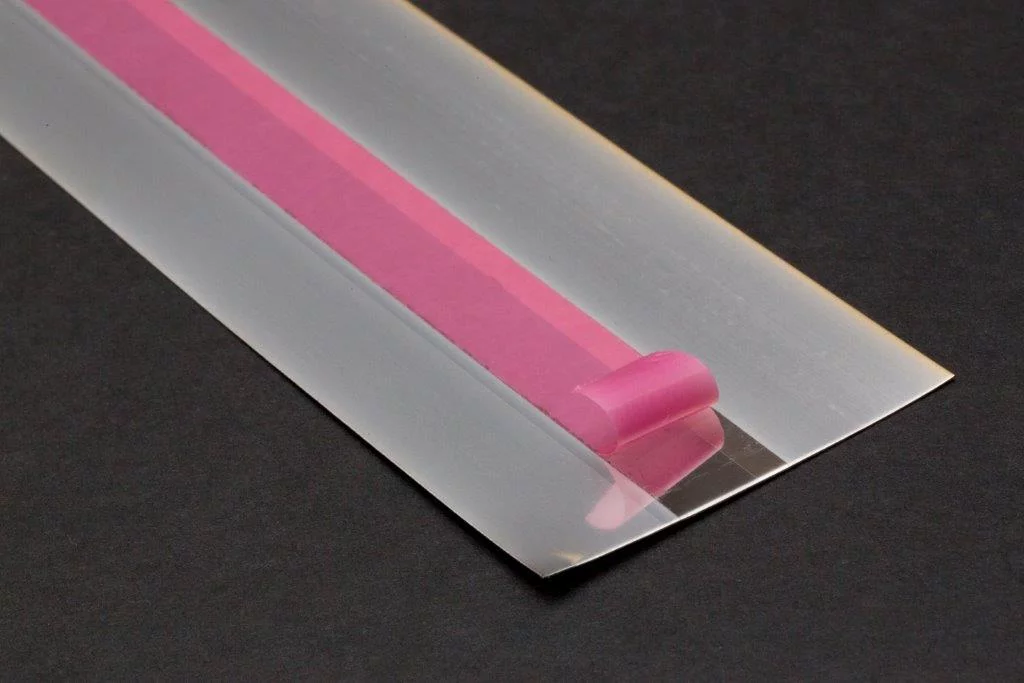
What Is Selective Masking?
This technique is commonly used to upgrade the appearance of a part or enhance its performance. For an even application, a chemically resistant masking material is first applied to areas where you don’t want the plating to deposit. This material is carefully shaped to the object’s contours to minimize the risk of uneven or inaccurate coverage.
Once the masking is in place, a plating solution is applied using methods found on the reel-to-reel plating process page.
Selective Masking Is Used To:
- Strengthen the durability of specific areas
- Create a uniform look across multiple parts
Benefits of Selective Masking
Consider selective masking for reel-to-reel plating to:
- Improve corrosion and wear resistance
- Enhance solderability and brazing properties
- Lessen electrical contact resistance
- Create a bearing surface
- Preserve parts’ tolerances
- Use less overall plating solution and power
- Keep parts in action longer
Learn more about all types of electroplating techniques to determine the best one for your job. See our Plating Capabilities Matrix for more information.